
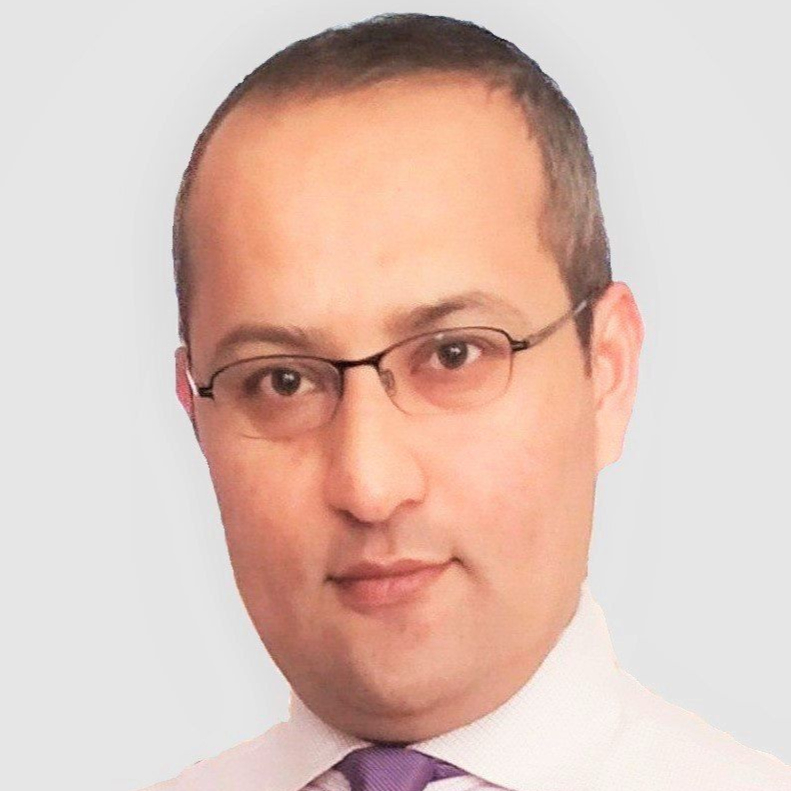
Abror Juraev, currently serving as a Vice-Rector for International Cooperation at Bukhara State University. He has BA in Economics, MA in Macroeconomic and PhD in International Economics. Except his alma-mater Bukhara State University, he has spent study and research periods at various leading universities, including Ankara University (Turkey), University of Ghent (Belgium), University of Pisa, University of Padua (Italy), Valencia Polytechnic University (Spain) and others. His research interests include International Economics, Tourism Economics, Global Economic Development, Internationalization of Higher Education. Abror Juraev had served as the Founding Dean of the Faculty of Tourism at Bukhara State University. Currently he is working on the creation of the Association of Tourism Universities in Uzbekistan. Abror Juraev has been awarded a state badge – “Turizm fidoyisi – Honor of Tourism” by Tourism Committee of Uzbekistan in 2024, for his valuable contribution to the development of tourism in Uzbekistan.
The Economics of Cultural Resilience: Sustainable Tourism as a Catalyst for Regional Development in Central Asia
Abstract
The article explores the symbiotic relationship between cultural preservation and regional economic expansion in Central Asia. Historically a nexus of global trade, the region faces the challenge of leveraging its vast heritage, ranging from Silk Road architecture to nomadic traditions, to drive sustainable development without compromising cultural integrity. The concept of “Cultural Resilience” is presented as an economic framework, where heritage is treated not as a static asset, but as a renewable resource that fosters community identity and local entrepreneurship. Through an analysis of current tourism trends in Central Asia, the article argues that sustainable tourism acts as a primary catalyst for regional integration. By diversifying rural economies, revitalizing traditional craftsmanship, and investing in soft infrastructure, Central Asian states can mitigate the risks of over-tourism seen elsewhere. A policy shift toward high-value, low-impact tourism, underpinned by regional cooperation, is essential for long-term fiscal stability. One of the conclusions is that the economic survival of the region depends on its ability to protect the very authenticity that attracts global interest.